Production

We make the show

Not a gear list and not a crew list. A finished programme. You bring the event; we deliver the show.

One contract, one accountable team

Most productions are assembled from parts: a facility here, a crew there, a graphics vendor, a card-system vendor, and a producer holding the seams together hoping they meet. Every seam is a rehearsal day spent discovering what does not talk to what.

We produce the whole thing. Concept, schedule and budget; the stage and the look; cameras, audio and lighting; the card system and the graphics; delivery to broadcast or to stream. One contract, one team, and a number that does not move because two vendors disagreed.

It is the same underlying work our engineering and technical-production teams do — but you are buying the outcome rather than the components.
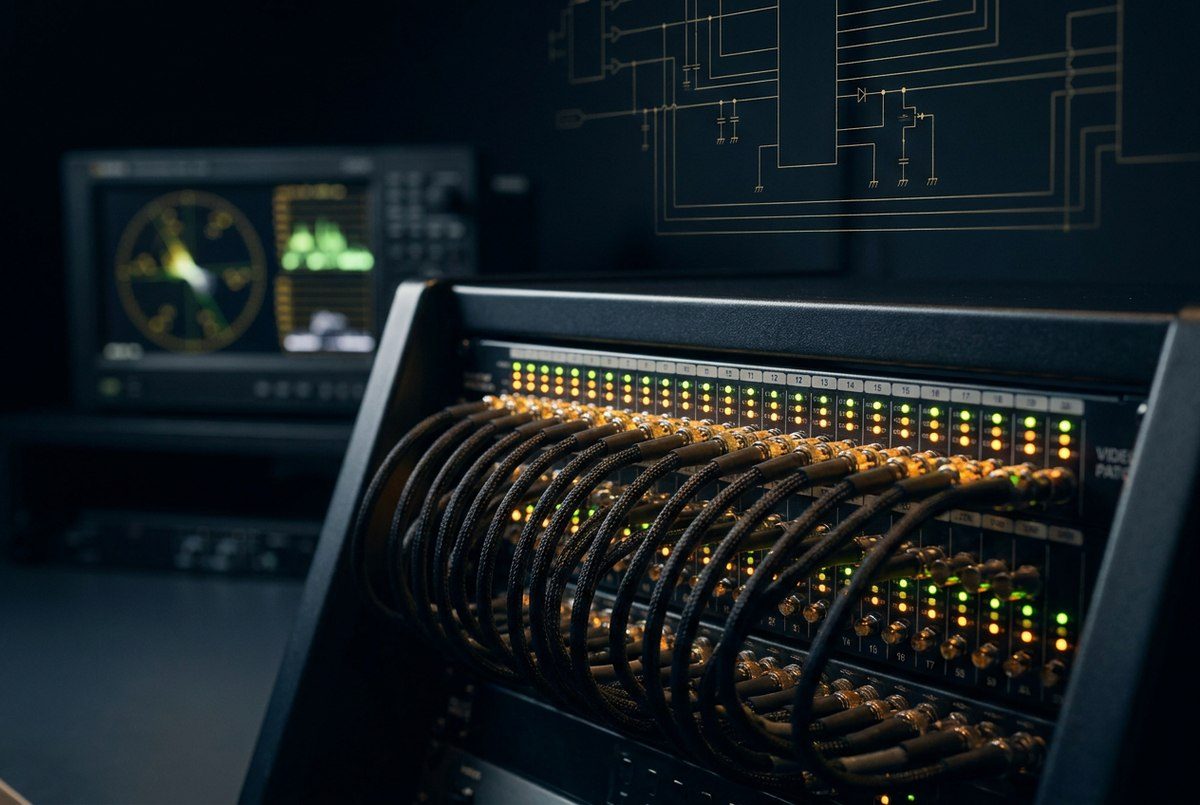
Video patch bay and rack gear in a production control room

Everything between an idea and an audience

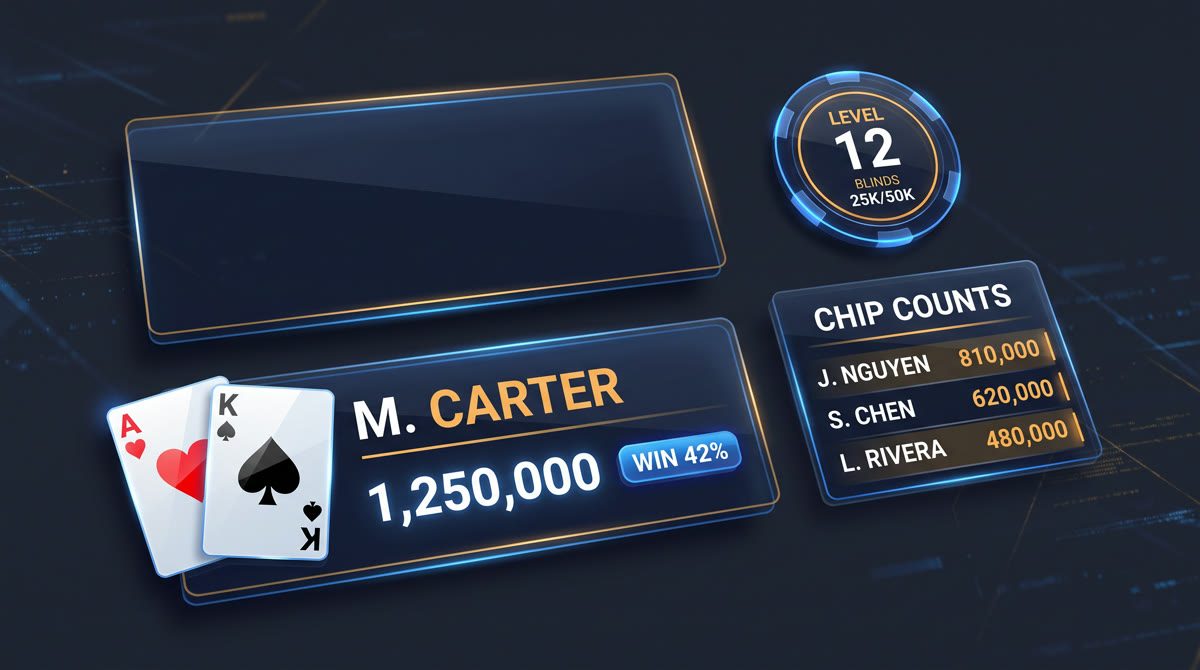
Real-time broadcast graphics driven by live game data

Pre-production. Format and run-down, schedule, budget, venue selection and technical survey, crew booking — and the permissions and insurance nobody thinks about until the week before.

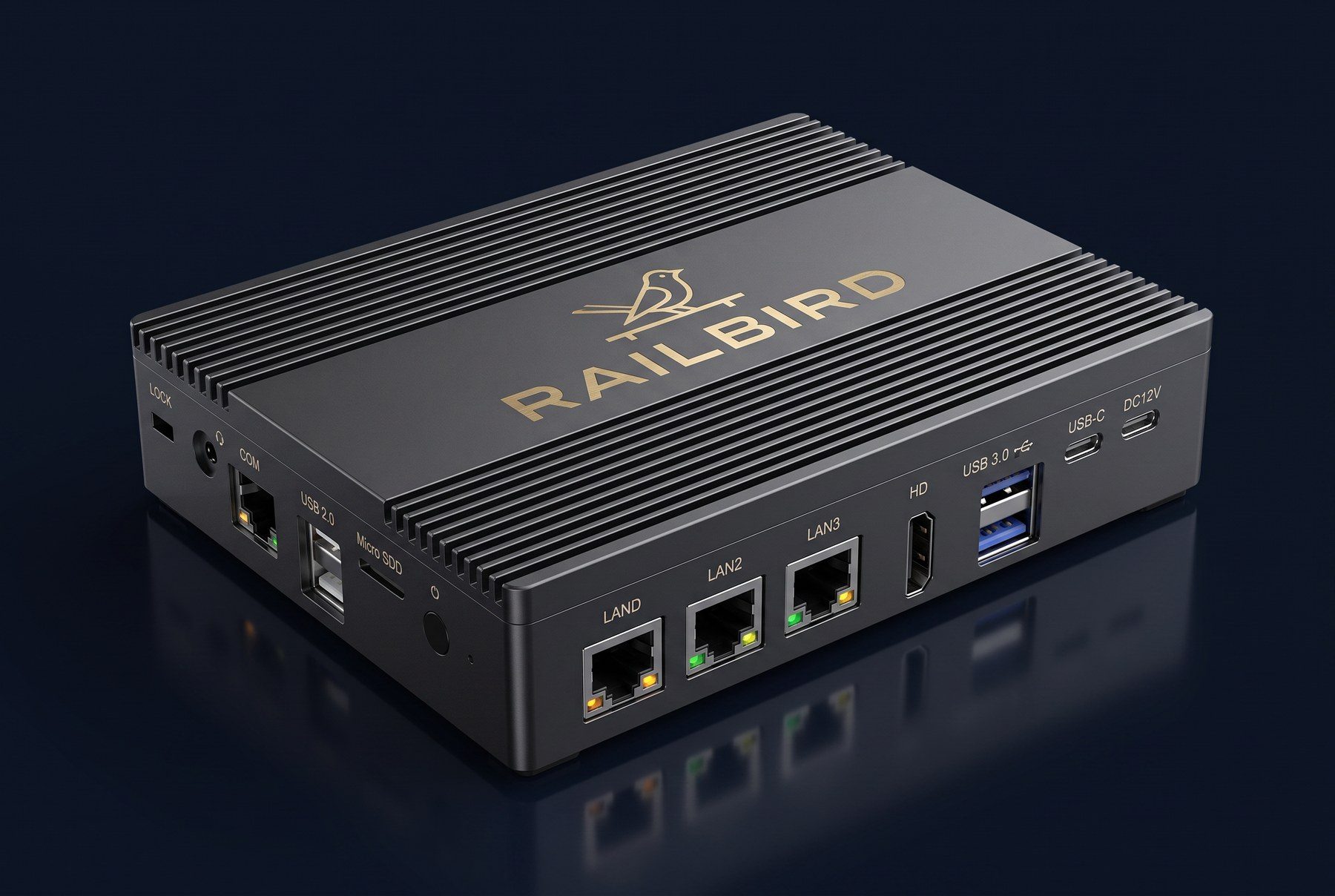
The stage. Set design and build, lighting, and the table itself: our own broadcast poker table with the RFID layer and LED rail built in, rather than a rental with a camera pointed at it.

Capture. Multi-camera coverage designed around poker specifically — the angles that make a hand readable, the ones that protect hole cards, and the difference between them.

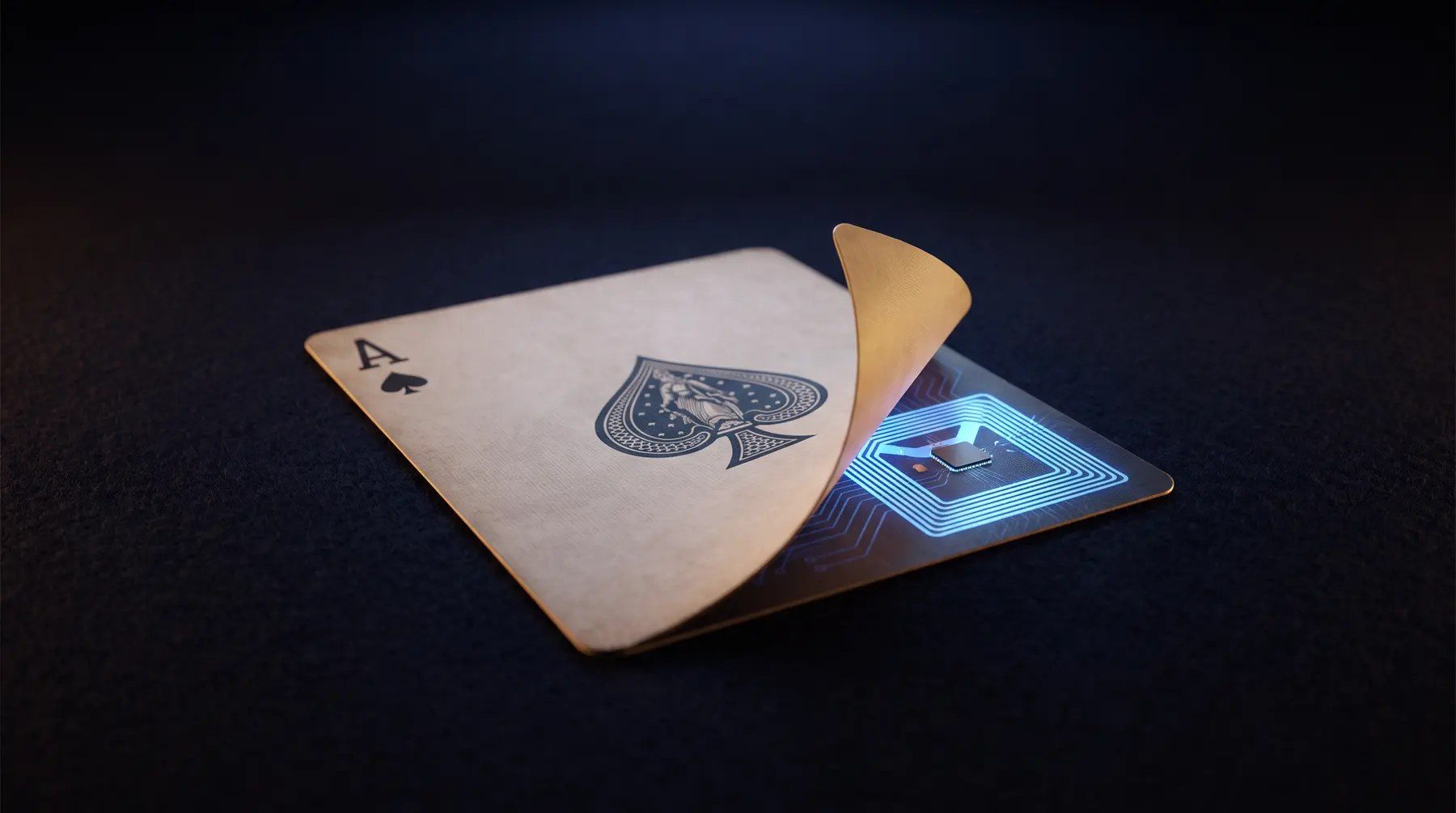
The card system. RFID card tracking, hole-card graphics, and the delay and access model that keeps card data off the live feed. The system is Final Table Technologies’ — the company that invented the category in 2004 and still builds the hardware.

Graphics and data. Real-time broadcast graphics, live odds, player stats and leaderboards — driven by the game itself rather than typed in by an operator between hands.

Delivery. Broadcast-standard output, streaming to any platform, multi-destination, recording and archive. Clips and highlights cut on the day when the schedule wants them.

The set is usually the biggest line, and the one nobody briefed

We design it. The set is drawn as a parametric model, dimensioned against your venue and your camera plan rather than sketched and adjusted on site. It exports as STEP for the fabricator and DXF for shop drawings, so the build starts from a real model — and a changed dimension regenerates the drawings instead of triggering a redraw.

Others build it — and we specify and manage them. Fabrication, LED supply and installation run through vetted partners. You get one contract and one accountable party; we carry the coordination, the schedule and the site integration. That is how production design works everywhere, and it is more honest than a company claiming a scene shop it does not own.

LED, properly. Wall supply, rigging, processing and installation, specified for the room and the camera rather than by square metres. Content and playout are a separate question, and we will tell you which of the two you actually need.

Lighting is part of the set, not the technical package. Set dressing is discretionary; the light that makes a table shootable is not. Quoting them together is how lighting quietly gets cut and the show ends up looking like a card room.

And the table itself. Our own broadcast poker table — RFID layer and LED rail built into the build rather than added to a rental with a camera pointed at it.

Say so early. Scenic is routinely the largest single number on a poker quotation and the one clients are least prepared for. We would rather show you that in the first meeting than in the third.

Three things that only come from doing both

The technology is in the family, so integration is not a risk we hand back to you. The card system, the graphics engine, the video pipeline and the game data are Final Table Technologies’, our sister company, licensed to us. There is no vendor boundary in the middle of the show to fail across, and no integration week in the schedule to pay for.

Our crews are poker-fluent. A superb sports director who has never covered poker will miss the hand. Knowing when a fold matters, when to stay wide, and what a river card means to the story is the difference between coverage and television.

Game integrity is designed in, not bolted on. Hole-card data is the most sensitive thing in the building. A broadcast delay enforced in the infrastructure, tiered access so most of the crew never sees live cards, and an audit trail that can answer afterwards who saw what and when — that is architecture, and it is very hard to add to a production already built without it.

Game-integrity hardware in the production chain

From a single final table to the whole field

A one-off event. An invitational, a charity final, a sponsor activation. Built set, full crew, one show day, delivered as a broadcast master and as a stream.

The whole field, not one table. We track up to nine tables at once — every hand, every stack, every player — with stats and graphics generated live from all of them. In most events that is the entire playing field. In a large-format tournament it is the days that actually matter, covered properly rather than sampled by pointing a camera at the feature table and hoping the story is there.

A recurring series. The second show costs a fraction of the first, because the set is designed to travel and the crew already knows the format.

A streamed cash game. Lighter crew, faster turnaround, built for a platform audience rather than a network slot — and for the delay rules a live-streamed game needs.

Your production, our technology. If you already have a production company you trust, we supply the card system, graphics and integrity layer and integrate with them. That is a different conversation — and a better one, if you have a team you like.

What we will tell you early

Poker television costs more than most people expect, and the reason is never the equipment. Labour is usually more than half the budget, and a one-day show is four days on site once you count rig, tech, show and strike. Those are the numbers that move a quote, and we would rather say so in the first meeting than the third.

We will also tell you when the answer is a smaller show. A well-made single-table stream beats an under-resourced multi-table broadcast every time, and it is usually the better first outing.

What it costs to televise a poker tournament →

Final Table RFID playing card

Planning a poker broadcast?

Tell us what you are trying to make and we will tell you honestly what it takes.

Talk to us